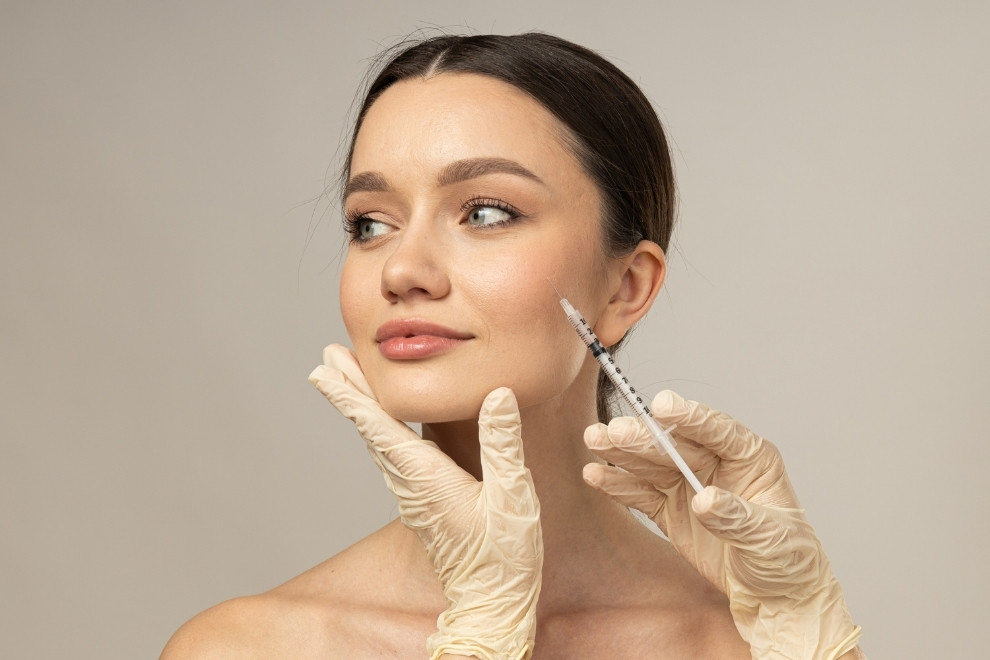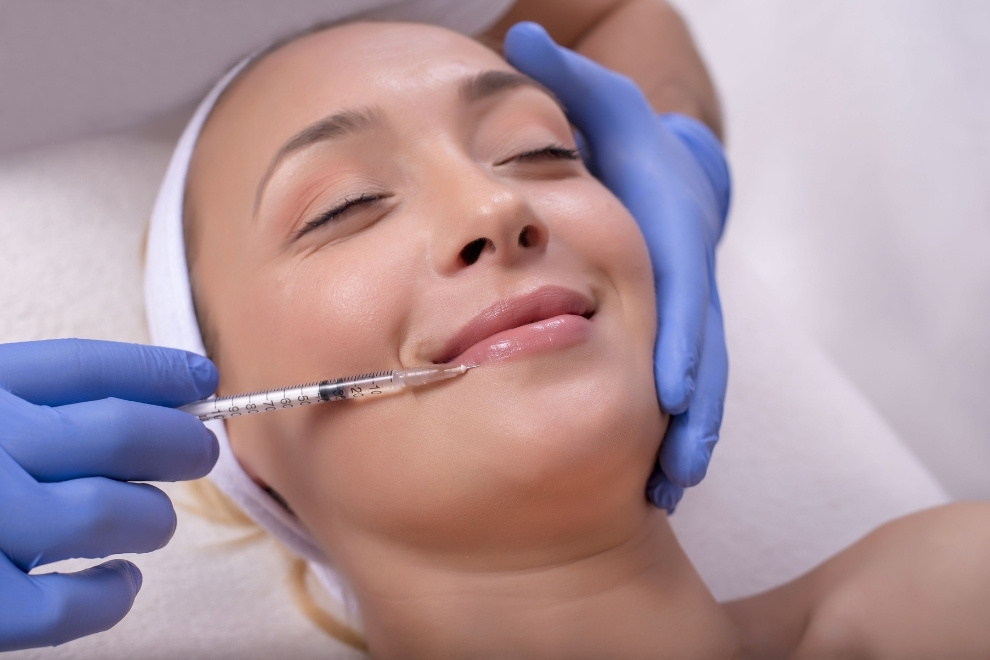


The moment a Botox injection is administered, the protein-based toxin begins binding to muscle fibers. This binding process reaches its peak intensity within approximately 4 to 6 hours. Mistakes made during this period may cause the toxin to spread to unintended muscles (such as the muscles that lift the eyelids), leading to unwanted asymmetry.
The Critical First 4–6 Hours: Movement and Position
From the moment you leave the treatment chair, the clock starts ticking. Dr. Mustafa Eray Erkek’s first instruction to his patients is: “Keep your head upright.”
- Avoid Bending Forward: Do not bend your head forward to tie your shoes, pick something up from the floor, or look down at your phone for extended periods. These movements can increase facial blood pressure and potentially cause the Botox to migrate.
- Lying Down Position: You should not lie down or sleep for the first 4–6 hours after the procedure. When you go to bed that night, sleeping on your back helps prevent pressure on the injection sites.
- Engage Facial Muscles Gently: Contrary to popular belief, lightly activating the treated muscles (such as frowning or raising your eyebrows) may help the toxin bind to the muscle fibers more effectively. However, these movements should be gentle.
Temperature and Swelling Control: Why You Should Stay Cool
Botox is a protein that is highly sensitive to heat. High temperatures cause vasodilation (widening of blood vessels), which can increase bruising risk and potentially reduce the effectiveness of the treatment.
- Hot Water and Steam: For the first 24–48 hours, avoid very hot showers, Turkish baths, saunas, and steam rooms. Wash your face only with lukewarm or cool water.
- Sun Protection: Direct sun exposure may negatively affect the recovery process. According to 2026 standards, using a high-SPF sunscreen after Botox is essential to prevent pigmentation at the injection sites.
Physical Activity and Cosmetic Restrictions
Many patients ask, “When can I return to exercise?” Intense physical activity after Botox may accelerate metabolism, potentially causing the toxin to break down or spread more quickly.
- Exercise: Avoid heavy workouts for the first 24 hours, except for light walking. Movements that increase blood flow to the head (such as certain yoga poses or weightlifting) should be postponed for 48 hours.
- Makeup and Skincare: Injection sites are essentially small wounds. To eliminate infection risk, avoid makeup for the first 24 hours. Additionally, refrain from firm facial massages, exfoliation, chemical peels, or using facial cleansing devices for at least one week.
- Alcohol and Smoking: Alcohol thins the blood and increases the risk of bruising. Smoking impairs tissue oxygenation and may shorten the longevity of Botox. Avoid alcohol for the first 24 hours to support optimal recovery.
Recovery Timeline: What to Expect
The post-Botox process does not progress in a strictly linear fashion; patience is key:
Day 1: Small, mosquito bite-like bumps may appear at the injection sites. These usually resolve on their own within 1–2 hours.
Days 3–5: A feeling of tightness or mild “freezing” in the muscles gradually begins. Temporary asymmetry may be noticeable at this stage, as not all muscles respond at the same rate.
Days 10–14: This is the “golden period” of Botox. The full effect settles in, the skin appears brighter, and wrinkles look smoothly ironed out.
When Should You Call Your Doctor?
Dr. Mustafa Eray Erkek notes that when performed under sterile conditions and with expert technique, the risk of complications is below 1%. However, in cases of severe headache, eyelid drooping (ptosis), or difficulty breathing, you should contact the clinic immediately. At the 14-day follow-up, if a touch-up is needed, Dr. Erkek can make minor adjustments to achieve final symmetry.
In Conclusion
Post-Botox care is just as important as the procedure itself. Following the instructions provided at Dr. Mustafa Eray Erkek’s clinic in Kartal not only helps you achieve a natural appearance but also extends the longevity of your investment. Remember, Botox is not a race—it is a rejuvenation process that should be managed carefully with the right steps.